
Greece Tours: Where To Go First
Greece rewards every kind of traveller, from couples and families to friends, solo explorers and first-time visitors. Greece tours make the country easier to enjoy, because someone else handles the roads, the boats and the tickets. Visitors simply arrive, listen, swim and look around. That leaves more energy for the scenery.
This guide walks through the main areas: Crete and the bigger islands, the Cyclades, Athens and the mainland. Each part covers what to see, which kinds of tours people book and what usually comes included. For more trip ideas, the travel notes at My Greece Tours add plenty of local detail.
How Do Greece Tours In Crete And Beyond Work?
Greece tours in Crete and beyond work as easy day outings. A guide, driver or skipper picks you up, shows you the sights and brings you back. To compare options, browse Greece tours and Tours In Greece before picking a day. Most excursions run from spring to autumn, the ideal season for beaches.
Which places are unmissable in Crete and beyond?
On Crete, the palace of Knossos is a first stop for most visitors. It was home to the Minoans, a rich island people from long before classical Greece. Guides bring its painted walls and the Minotaur myth back to life. Chania old harbour is calmer, with a lighthouse, cafés and pastel houses by the water.
The lagoons of Balos and Elafonisi, on the far west of Crete, glow with shallow turquoise water. Elafonisi is famous for its pink-tinted sand. On Rhodes, the Old Town is a walled medieval city from the age of knights and castles. Nearby Lindos stacks white houses below a hilltop acropolis, or old citadel.
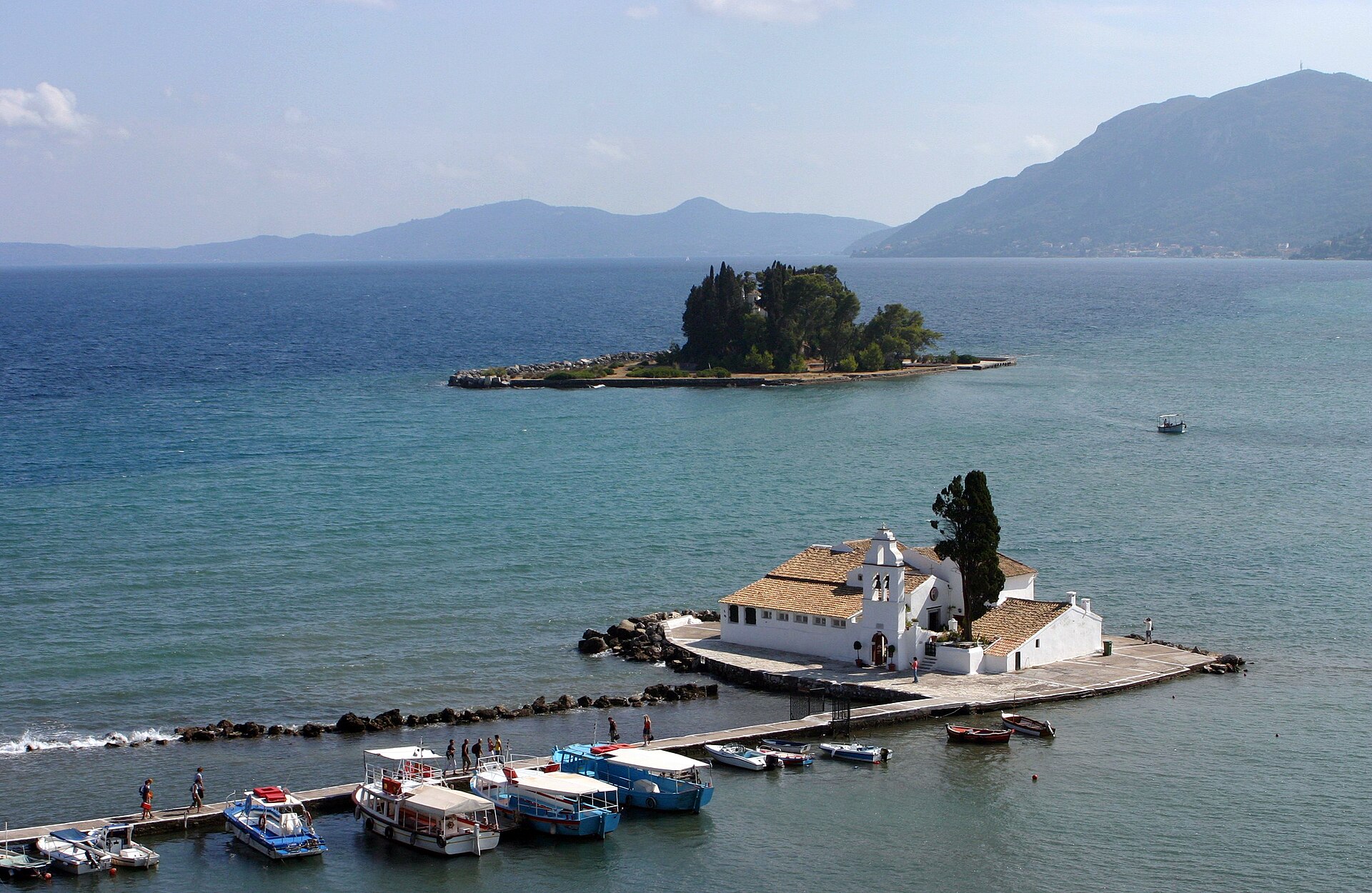
Corfu old town mixes Italian-style lanes, sturdy old forts and a wide green square. Locals still play cricket there, a habit left by British rule. Then there is Navagio on Zakynthos, the famous shipwreck beach framed by tall white cliffs. Most people admire it from a boat below or a cliff-top viewpoint above.
Which Greece tours cover Crete and beyond best?
Private tours with a driver-guide or skipper suit couples, families and friends who want their own pace. They are priced per booking, not per head, so everyone who comes along shares the cost. On Crete, a driver-guide can link Knossos, a village lunch and a quiet beach in a single day.
Boat cruises with swim stops are the classic choice around Balos, Elafonisi and the Zakynthos coast. They suit beach lovers, teenagers and anyone who wants sea views without driving. Full-day trips from Athens by coach work best for travellers who base themselves in the capital and add the islands later.
Cooking classes and wine tastings round out Greece tours on Crete and Corfu. They suit food lovers, older travellers and anyone who wants a slower, social afternoon. Children often love the hands-on part of a cooking class.
What do Greece tours in Crete and beyond provide?
Most boat days include lunch or a BBQ meal served on board or on a beach. Drinks come with it, and some cruises keep them unlimited all day. That matters because sun and salt water make people hungry and thirsty fast.
On land, Greece tours in Crete and beyond usually come with a licensed or local guide. Licensed guides have passed official training, so their stories at Knossos or in Rhodes Old Town are accurate. Local guides add family memories, favourite tavernas and island gossip.
Free time to explore matters just as much, since it lets everyone shop, rest or wander at their own speed. Wine tastings add a relaxed end to village trips. Swim stops divide long days and cool everyone down. Even non-swimmers can paddle in the shallow lagoons.
How do you stay comfortable in Crete and beyond?
Start early, because the morning is cooler and the famous sights are calmer before the crowds arrive. Summer afternoons on Crete and Rhodes get very hot, so plan shady breaks. Book boat days early in the trip, which leaves room to switch dates if the wind picks up. Ferries and coaches fill fast in summer.
Pack a hat, strong sunscreen, a refillable water bottle and comfortable shoes with good grip for ruins and old cobbles. Bring a swimsuit, a light towel and a dry bag for boat trips. A thin scarf is useful too, since some churches ask visitors to cover their shoulders.
What Makes Greece Tours In The Cyclades Worth Booking?
Greece tours in the Cyclades are worth booking because they reach hidden coves, sea caves and quiet islands that ferries skip. A local skipper or guide handles every tricky detail. That leaves more time on the water and less time puzzling over timetables. A short island stay feels fuller with a day at sea.
Which places are unmissable in the Cyclades?
Santorini is the island most people picture first. Its cliff villages, such as Oia and Fira, cling to the rim of a flooded volcano crater. White houses and blue domes spill down the slope toward a deep blue bay. Sunset from the cliffs draws a crowd every evening, and the light turns everything gold.
On Mykonos, a row of white windmills stands on a hill above Little Venice, where houses sit right on the waves. A short boat ride away lies Delos, an island sanctuary, meaning a holy place linked to the god Apollo. Today the whole island is an open-air museum of temples, mosaics and marble lions.
Milos hides sea caves and arches that are best seen from a boat. At Kleftiko, white rocks rise from clear water, and pirates once hid in the caves. The old town of Naxos climbs to a castle through narrow, shaded lanes. On Paros, the harbour of Naoussa mixes fishing boats, small tavernas and lively bars.
Which Greece tours cover the Cyclades best?
A private tour with a driver-guide or skipper suits couples, honeymooners and families who want a calm day. It is priced per booking, so sharing it with friends keeps the cost fair. Small-group tours suit solo travellers who enjoy meeting people on a walk or a sailing day.
Boat cruises with swim stops are the heart of Greece tours here, from Milos caves to Mykonos coves. Snorkel and beginner scuba trips suit curious swimmers and older children who want to see fish up close. Instructors teach the basics first, so no experience is needed.
Travellers starting in Athens can join full-day trips by coach to the port, then cross by ferry for an island day. Cooking classes and wine tastings on Santorini and Naxos suit food lovers and anyone who wants a slower day.
What do Greece tours in the Cyclades provide?
Boat days in the Cyclades usually include lunch or a BBQ meal. It is often grilled on board while the boat rests in a quiet bay. Drinks are part of the deal, and some cruises serve them without limit. A full stomach and plenty of water keep everyone happy in the strong island sun.
Most Greece tours at sea also hand out snorkel gear, so nobody needs to pack a mask. That matters at Milos, where the water is clear and full of small fish. Swim stops give everyone a break from the sun and a chance to cool off.
On land, wine tastings on Santorini show off vines grown in low, basket-shaped coils that shelter from the wind. A tasting makes a gentle, social end to a busy day.
How do you stay comfortable in the Cyclades?
The Cyclades are famous for a strong summer wind called the meltemi. It makes boats rock, so take seasickness tablets before boarding if waves bother you. Morning cruises are usually calmer than afternoon ones, and sitting near the middle of the boat helps too. Larger boats rock less, which helps nervous sailors.
Island paths are steep and bright, so wear flat shoes and good sunglasses. Pack reef-safe sunscreen and a hat that will not blow away. Add a light layer for the evening breeze and a small bag for wet swimwear. Carry some cash for village cafés. Water shoes help on pebble beaches.
What Should You Know About Greece Tours In The Capital?
Greece tours in the capital pack world-famous ruins, a modern museum and lively streets into easy walking routes. A good guide turns old stones into clear, gripping stories. Athens also works as a handy base for coast trips and day outings. Most walking tours finish by lunch, leaving the afternoon free.
Which places are unmissable in the capital?
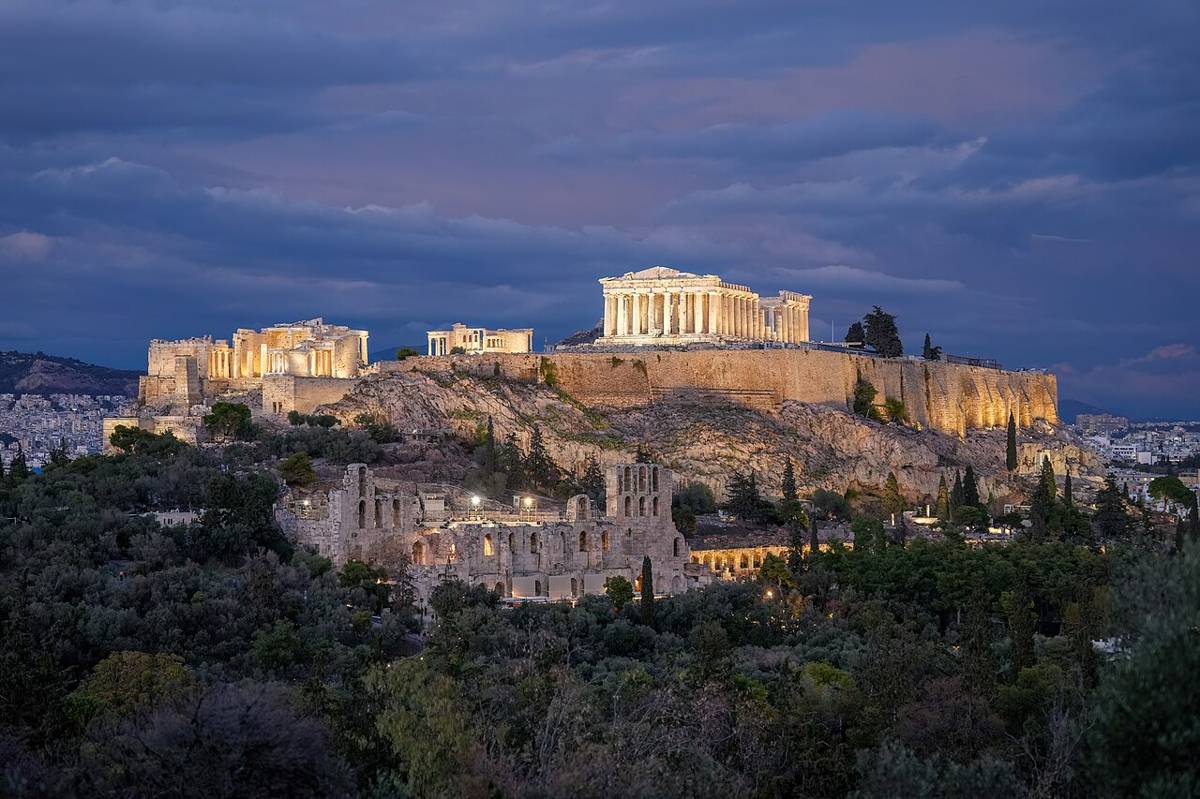
The Acropolis hill rises above Athens, crowned by the Parthenon, a marble temple built for the goddess Athena. On its southern slope sits the Theatre of Dionysus, where famous Greek plays were first staged. Below, the Acropolis Museum shows the hill’s statues in bright rooms with glass floors over an ancient neighbourhood.
The Roman Agora served as a marketplace in Roman times. Its Tower of the Winds is a marble clock tower with a carved wind god on each side. Hadrian’s Arch, a gate named after a Roman emperor, marks the edge of the old city. These spots feel calmer than the busy hill above.
Close by, the National Garden offers shady paths, ponds and turtles, a cool escape at midday. In the evening, the old quarter of Psyrri fills with street art, music and busy tavernas. For a sunset, Cape Sounion’s Temple of Poseidon, god of the sea, stands on a cliff above the water.
Which Greece tours cover the capital best?
Guided walking tours are the easiest way to see the old centre, and they suit first-time visitors and solo travellers alike. Many start early at the Acropolis to beat the heat. This overview of guided Acropolis tours shows what a good walk covers.
Private Greece tours with a driver-guide suit families with young children and older travellers who prefer short walks. A single price covers everyone in the car, and the guide can drive out to Cape Sounion for sunset. A skipper can also take a private boat out from the Athens coast.
Boat cruises with swim stops along the Athens Riviera suit beach lovers who want a break from city streets. Cooking classes and wine tastings suit food lovers and couples looking for a fun evening. Friends on a city break enjoy them too.
What do Greece tours in the capital provide?
The biggest perk of Greece tours in Athens is a licensed guide. Only licensed guides can lead visitors inside the Acropolis site, and their training shows in clear, accurate stories. A local guide also knows quiet corners, shady routes and the best time to reach each gate.
Boat days from the coast include lunch or a BBQ meal, plus drinks that are sometimes unlimited. Swim stops in clear bays matter after a hot morning among the ruins. A good meal on board also saves hunting for a table at a busy beach taverna.
In the city, wine tastings introduce Greek grape types that most visitors have never tried. Hosts explain each glass in plain words. They give tired feet a rest and finish the evening on a friendly note.
How do you stay comfortable in the capital?
Reach the Acropolis at opening time or late in the day, when the light is soft and the marble is cooler. The rock is slippery in places, polished smooth by many feet, so wear shoes with real grip. Rest in the National Garden when the midday heat peaks.
Carry plenty of water, because the climb is short but exposed. A hat, sunscreen and sunglasses are a must on the open hilltop, which has almost no shade. Keep bags small, since large ones are not allowed on the Acropolis. The metro is quick, cool and practical for travelling between sights.
What Can You Expect From Greece Tours In The Mainland?
Greece tours in the mainland lead to famous ancient sites, cliff-top monasteries and pretty seaside towns. Expect long, rewarding days, with a guide explaining each place as you go. Many trips leave Athens early, while others link several regions over a few nights.
Which places are unmissable in the mainland?
Delphi sits on a steep mountain slope that ancient Greeks called the centre of the world. At the Temple of Apollo, kings came to hear the Oracle, a priestess who spoke for the god. The monasteries of Meteora perch on top of giant rock towers. Monks once reached them by ladders and rope nets.
Mycenae was the home of King Agamemnon in Greek legend, and its Lion Gate still guards the entrance. In the theatre of Epidaurus, a coin dropped on stage is heard clearly from the top seats. Nearby Nafplio is a pretty seaside town below the Palamidi fortress, reached by a long stone stairway.
Ancient Olympia is where the Olympic Games began, and visitors can still run on the old stadium track. The Corinth Canal, a narrow cut through solid rock, makes a dramatic photo stop on the drive west from Athens. Its sheer walls drop straight to bright blue water. Small ships still squeeze through.
Which Greece tours cover the mainland best?
Full-day trips from Athens by coach are the most popular way to see Delphi or Mycenae and Epidaurus. They suit first-time visitors who like everything planned, from the route to the stops. Small-group tours suit couples and solo travellers who want a smaller vehicle and more time for questions.
Multi-day Greece tours with hotel nights link Delphi, Meteora and Olympia without rushing. They suit older travellers and families who prefer calm evenings to long drives back to Athens. Each evening ends in a new town, close to the next sight.
Guided walking tours in Nafplio suit anyone who enjoys stories told on the move. Travellers who like to explore at their own pace can simply buy entry tickets and wander the sites freely. This option suits confident map readers and history fans.
What do Greece tours in the mainland provide?
A licensed guide is the main reason to book Greece tours on the mainland. Ruins like Mycenae look like scattered stones until someone explains them. A good guide brings them alive, from the Oracle at Delphi to the first Olympic runners. Local guides in Meteora also know which monasteries open on which days.
Entry tickets often come included, which saves waiting in ticket lines under a hot sun. It also means nobody has to work out opening hours or which gate to use. Always check whether a tour includes them before booking.
On multi-day trips, hotel nights are part of the deal, usually in towns close to the next sight. Waking up near Meteora or Delphi means reaching the gates before the day-trip coaches arrive. It also means a good night’s sleep instead of a late ride home.
How do you stay comfortable in the mainland?
Mainland days involve long drives, so sit near the front of the coach if winding roads upset your stomach. Spring and autumn bring mild weather and green hills, while summer middays at Olympia and Mycenae feel very hot. Plan the walking parts for the morning. Use every coffee stop to stretch your legs.
Wear sturdy shoes, since the paths at Delphi and Mycenae are rocky and uneven. At Meteora, women wear long skirts and men long trousers inside the monasteries, with shoulders covered. Pack a light jacket for the mountain air, plus snacks and water for the road. A power bank keeps phones alive on long days.
Conclusion: Greece Tours, Planned Well
Greece tours work best when they match the pace of the trip. Pick an island boat day, a guided morning in Athens and a mainland day trip, then leave room for slow afternoons. Mixing kinds of tours keeps every day fresh, so nobody tires of ruins or of the sea.
Families, couples, friends and solo travellers all find something that fits. Anyone planning for a club, a school class or a family reunion can also read this guide to Greece group tours. Book the busiest sights early, and let Greece tours handle the rest.
Frequently Asked Questions About Greece Tours
Do Greece tours include entry tickets?
Many Greece tours in Athens and on the mainland include entry tickets, while boat cruises rarely need them. Always check the list of what is included before you book, since it varies. If tickets are not included, buying them online ahead saves a long wait at the gate in summer.
Are Greece tours good for children?
Yes, they work well for children, especially boat cruises with swim stops and cooking classes. Private tours suit families best, since the pace can change around naps and snacks. Guides often turn old myths about gods and monsters into stories that children remember long after the trip.
How many Greece tours fit in one week?
A relaxed week fits Greece tours on every other day, with free days between for beaches and cafés. That rhythm covers an Athens walk, an island cruise and a mainland trip without strain. Packing in more leaves everyone tired, rushed and too hot to enjoy the sights.
Are Greece tours easy for older travellers?
Yes, they suit older travellers when the pace matches their walking ability. Private tours and multi-day trips with hotel nights are the gentlest choice, with time to rest each evening. Hilltop sites like the Acropolis and Delphi need steady feet, so ask about steps and shade first.
Are Greece tours worth it for a short trip?
Yes, Greece tours squeeze the most into limited time, with no wasted hours on buses or maps. A guide handles the planning, finds the quickest route and explains each sight on the spot. On a short stay, a single well-chosen tour often becomes the highlight of the whole trip.
Do Greece tours suit first-time visitors?
Greece tours suit first-time visitors perfectly, because they remove most of the guesswork. A guide handles transport, tickets and timing, so newcomers can relax and learn the basics of Greek history and food. After a few tours, most people feel confident enough to explore on their own.
How do you keep costs down on Greece tours?
Greece tours cost less in the shoulder months, when prices and crowds both drop. Booking key sites early and mixing guided days with free days also saves money. Small decisions add up across an entire holiday, and the savings can go on good food, ferries and relaxing beach days instead.
Pick the right season and trip length
Spring and autumn bring warm, pleasant weather without the expensive peak summer rush. Hotels, ferries and Greece tours often cost less in these months, and the sea is still comfortable for a swim. Many travelers also enjoy the famous sites more when the lines are shorter.
Trip length matters as much as the season, because fewer bases mean fewer transfers, fewer ferry tickets and less packing. A handful of carefully chosen stops usually gives more value than a long list of rushed ones.
Simple alternatives help as well, like taking the local bus instead of a taxi or choosing a room with a small kitchen. These budget tips for Greece share more practical ways to stretch a travel fund. None of them mean missing the best parts of the country.
Book smart and travel light
Tickets for the most popular sites sell out on busy days, and late buyers often pay more for last-minute options. Reading up on Acropolis tickets in advance helps travelers secure a good time slot. Many Greece tours already include entry, so it pays to check before buying twice.
Luggage affects the budget more than most visitors expect. Cheap flights charge extra for large suitcases, and heavy bags make busy ferry days much harder. A guide to packing light for island tours explains how to fit everything into one small, practical bag.
Shared day trips cost less per person than private ones, which makes them a sensible choice for most days. Travelers can save private Greece tours for the one place they care about most. Shared Greece tours then cover the rest of the plan for less money.
How do you handle meals on Greece tours?
Most Greece tours include some meals but not all of them. Travelers should check what is covered, then plan the rest around tavernas, bakeries and markets. Greek food is fresh, seasonal and generous, so eating well there rarely means spending a lot.
Know what the tour covers
Day trips often include a light lunch or a relaxed stop at a village taverna along the way. Longer Greece tours tend to include breakfast at the hotel and a few set dinners with local dishes. The other meals become free time to explore the neighborhood independently.
Travelers with allergies or special diets should tell the guide before Greece tours begin. Greek kitchens use plenty of olive oil, cheese, nuts, honey and seafood in everyday cooking. Clear notes ahead of time help the cooks prepare safe and tasty dishes for everyone.
Water and snacks matter a lot on long site visits under the open sky. Many ancient sites have very little shade and only a few places to buy food. A refillable bottle and a small snack keep energy levels steady on Greece tours that run all day.
Eat like the locals do
Greeks eat lunch fairly late and dinner later still, often well into the warm evening. Shared plates of dips, salads, cheese pies and grilled meat go in the middle of the table. This relaxed style suits couples, families and friends who like to try a little of everything.
Table habits differ a little from home, and understanding them makes every meal more enjoyable. Bread usually arrives without asking, and waiters rarely rush anyone out of their seat. A short guide to polite travel in Greece explains tipping, dress and other small customs.
Greek food follows the calendar closely, and Easter brings roast lamb and red eggs after weeks of tasty meat-free fasting dishes. These Greek holiday customs show what lands on the table each season.
Greece tours timed with a village feast day add a lively extra to any trip. Whole villages fill with music, dancing and long shared meals. Visitors are often welcome to join in, taste the local dishes and learn a few simple dance steps.
How do you stay safe on Greece tours?
Greece tours are safe for most visitors, and the main risks come from heat, sun, crowds and small thefts. Water, shade, good shoes and careful bag habits handle most of them. A few sensible routines make every day calmer for visitors of all ages.
Beat the heat and the crowds
Summer sun in Greece is strong, even on breezy days by the water. Travelers should wear a hat, use plenty of sunscreen and drink water regularly throughout the day. Early starts help too, since ancient sites get very hot by the middle of the day.
Crowds bring their own difficulties, such as long lines, short tempers and tired children. Careful timing keeps visits enjoyable, and these tips on avoiding Acropolis crowds work at other busy sites as well. Many Greece tours start early in the morning for exactly this reason.
Comfortable shoes matter more than most visitors expect before they arrive. Polished marble paths at ancient sites become slippery, and island steps are often steep and uneven. Sandals with a firm grip or light trainers work well on Greece tours of every kind.
Protect bags, papers and plans
Pickpockets look for easy opportunities in busy spots like metro trains, flea markets and crowded ports. A zipped bag worn in front keeps phones and wallets safe. Passports can stay in the hotel safe, with a clear photo saved on the phone.
Licensed guides are an important part of safe travel too. Only state-licensed guides may lead tours inside Greek archaeological sites and museums, so official Greece tours use properly trained experts. These safety tips for tourists also cover sea safety, common scams and who to call in an emergency.
Travel insurance is a wise choice abroad, since it helps with lost luggage, missed ferries and sudden illness. It also brings genuine peace of mind on longer Greece tours with many moving parts.
How do you choose Greece tours?
The best Greece tours match the traveler’s pace, interests and budget. Start with what matters most, such as history, beaches or food, then pick the style that fits. A clear goal makes the decision much easier and stops travelers paying for extras nobody really wants.
Match the tour style to the traveler
Honest answers to a few simple questions point to the right style quickly. They work equally well for first-time visitors and for travelers returning to Greece:
- How fast does the traveler like to move?
- Is history, nature or food the main goal?
- Does a guide add real value at each stop?
- How much free time feels right each day?
- Are children or older relatives coming along?
Shared Greece tours suit travelers who enjoy meeting new people and like a clear, fixed plan. Smaller tours with fewer people feel more personal and relaxed. This guide to authentic tours in Greece compares the main styles side by side.
Private Greece tours let couples and families set their own pace from morning to evening. They cost more, but they suit young children, slow walkers and special interests. A look at private tours in Greece helps travelers decide whether the extra cost is worth it.
Check the plan before booking
A good tour plan shows how long each day lasts, what is included and how much time is spent on the road. Too many stops in one day leave little time to enjoy any of them. This guide to choosing the right Greek tour lists the key points to compare.
Escorted Greece tours keep one leader with travelers for the whole trip. The leader handles hotels, transport and timing, which suits first-time visitors who want less stress. Tips on picking an escorted itinerary help travelers weigh different routes.
Last of all, travelers should read the small print on refunds, weather changes and missed sites. Clear, simple terms are a good sign of well-run Greece tours. Reliable Greece tours answer questions quickly and honestly before any money changes hands.
Which Greece tours suit a tight budget?
Walking tours, shared day trips and self-guided visits are the best Greece tours for a tight budget. Public buses and slow ferries keep travel costs low between stops. Travelers on a small budget still see the famous sites, simply swapping private transfers and fancy hotels for simple local choices.
Shared day trips and self-guided days
Shared day trips are the cheapest way to reach places that are hard to visit alone. Popular routes run from Athens to Delphi, the ancient theater at Epidaurus and the temple at Cape Sounion. The cost is split among many travelers, so each seat stays affordable.
Self-guided days save even more money. Travelers can buy entry tickets, download an audio guide and walk each site at their own pace. Budget Greece tours often mix these independent days with a few guided visits at the biggest and most complicated sites.
A few local words also stretch a small budget, because friendly greetings often bring warmer service and helpful advice. This list of essential Greek phrases covers greetings, thanks and simple questions for shops and buses.
Cheap ways to move around
Local buses link most towns on the mainland and the larger islands at low fares. This guide to Greece by public transport explains routes, tickets and timetables in plain terms. In Athens, the metro reaches the airport, the main port and many central sights.
Slow ferries cost much less than fast boats, and they often have open decks with wide sea views. Booking early helps as well, and these ferry booking tips show how to find good routes and seats.
Many of the best beaches cost nothing at all to enjoy. Budget Greece tours often build in free beach afternoons between paid visits. A guide to the top beaches in Greece helps travelers pick the right stretch of sand for each stop.
Eating like a local is another easy saving on Greece tours. Bakeries sell cheese pies and fresh bread for breakfast, and street stalls serve gyros at lunch. Village tavernas often give bigger plates and lower bills than restaurants near famous sights.
Which Greece tours suit a mid-range budget?
Mid-range Greece tours mix guided visits at major sites with comfortable hotels, fast ferries on key routes and some included meals. They balance cost and ease well. This level suits most couples, families and friends planning a first trip to Greece.
Guided highlights with free time
Mid-range Greece tours usually include a licensed guide at the big ancient sites. Only state-licensed guides may lead tours inside Greek archaeological sites and museums, so visitors always get trained experts. The guide brings old myths about gods and heroes to life in plain, lively words.
These tours also leave free afternoons and evenings for exploring alone. Travelers can wander old town lanes, shop for local crafts or try new dishes at a family taverna. This guide to Greek food to try explains what to order and where to find it.
Hotels at this level are clean, central and comfortable, often with a pool or a sea view. Breakfast is usually included, which saves time and money every morning. Good locations mean less time in taxis and more time enjoying Greece tours on foot.
Smart timing and island links
Timing has a big effect on mid-range costs. Late spring and early autumn bring lower prices, warm seas and fewer crowds at the famous sites. This guide to the best time to visit Greece compares weather and crowds across the year.
Fast ferries cost more than slow ones but save a lot of time on long island routes. Many mid-range Greece tours use fast boats for long hops and slower ones for short trips. These ferry travel tips explain seats, luggage and what to expect on board.
Island-hopping Greece tours at this level often pair a busy island with a quieter neighbor. The mix keeps costs steady and adds variety to every part of the trip.
Mid-range Greece tours also leave room for small treats. A sunset drink with a view, a cooking class or a short boat ride adds a special moment without stretching the budget too far.
Which Greece tours suit travelers wanting comfort?
Comfort-focused Greece tours offer private transfers, upscale hotels, small vehicles and slower days. They suit travelers who value rest, space and easy logistics over saving money. These trips cost more but remove most of the stress from travel.
Private transfers and slower days
Comfort Greece tours meet travelers at the airport and handle every transfer after that. A driver waits at the hotel door each morning, so nobody carries heavy bags to a bus stop. This makes a big difference for older relatives and parents with young children.
Days move at a gentle pace, with long lunches and rest time during the afternoon heat. Guides adjust plans to suit energy levels, weather and personal interests. This guide to family-friendly Greece travel shares extra ideas for stress-free planning.
Comfort also means fewer hotel changes. Many travelers choose a single base on the mainland and another on an island, then take day trips from each. Unpacking only a few times keeps the whole holiday relaxed.
Better hotels and deeper local moments
Hotels on comfort Greece tours often have sea views, spacious rooms and quiet pools. Some sit inside restored mansions or old stone farmhouses full of character. Friendly staff help with dinner bookings, boat trips and small personal requests.
Comfort travel also opens doors to quieter local experiences. Private cooking lessons, olive oil tastings and visits to family-run wineries feel personal and unhurried. These ideas on experiencing local Greek traditions show how to share in real village life.
The extra cost pays for time and ease rather than luxury alone. Travelers spend less energy on planning and more on enjoying each place they visit on Greece tours.
Comfort Greece tours suit older travelers, busy parents and anyone recovering from a long work year. The calm pace leaves time to read by the pool, enjoy a long dinner and sleep well before the next outing.
Which Greece tours suit a special splurge?
Splurge Greece tours bring private sailing days, luxury cave hotels, private guides and dinners cooked by local chefs. They suit honeymoons, big birthdays and once-in-a-lifetime trips. Every detail is planned around the traveler’s wishes.
Private boats and luxury stays
A private sailing day is one of the most memorable treats in Greece. The boat stops at quiet coves for swimming, snorkeling and a fresh lunch served on deck. Couples and families enjoy the freedom to set their own course along the coast.
Luxury Greece tours also include the finest hotels on each island. In Santorini, cave suites carved into the cliffs look straight out over the caldera, the huge flooded crater of an old volcano. Many have private plunge pools and terraces built for watching the sunset.
Popular splurge extras on Greece tours include the following special touches:
- Private sunset sailing with dinner on board
- Cave suites with private plunge pools
- Private visits with a licensed guide
- Wine tastings at small family estates
- Cooking lessons with a local chef
Festivals, events and perfect timing
Timing a splurge around a big celebration adds real magic to the trip. Easter in Greece brings candlelit night processions, fireworks and huge family feasts. This guide to seasonal events in Greece shows what happens at different times of year.
Summer festivals bring music and drama to ancient open-air venues, including the old theater at Epidaurus. Premium seats and private transfers turn the evening into a smooth and unforgettable night. These Greek festivals to experience cover culture, food and music by season.
Splurge Greece tours fill up early around these celebrations, so early planning matters. A trusted planner can secure the best rooms, boats and guides well ahead of time. Booking these Greece tours early also keeps the best dates open.
Which places do Greece tours visit?
Greece tours cover sunny Cycladic islands, the great ancient sites of the mainland and the large islands, where mountains meet long sandy coasts. Most visitors pick two or three of these areas and link them by ferry or road.
Islands
The Cyclades sit in the heart of the Aegean Sea. Greece tours here mix swimming, sailing and evening walks through white lanes. Every island feels a little different, so it pays to choose by mood rather than by fame alone.
Ferries run often in the warm months, which makes hopping between nearby islands easy. Quiet coves suit couples, while busier towns suit friends who like music after dark. Booking ferry seats a few weeks ahead keeps summer plans smooth.
- Santorini: a flooded volcano, cliff-top villages and glowing sunsets
- Mykonos: windmills, chic harbour lanes and busy beach bars
- Paros: fishing villages, marble lanes and steady summer winds
- Milos: moon-like white cliffs and colourful boat houses by the sea
- Ios: long golden bays and a lively hilltop old town
Mainland
The mainland is where the oldest stories of Greece come alive. Greece tours here travel through hills and olive groves to temples, stadiums and theatres. Licensed guides explain how ordinary people lived, worked and prayed in those times.
Many of these sites lie within a day’s drive of Athens. A comfortable coach or private car turns the journey into a relaxed part of the visit.
Spring and autumn are the most pleasant seasons for these visits. The air is mild, wildflowers cover the hills and the famous sites feel calm. Summer Greece tours on the mainland start early to beat the heat.
- Athens: the Acropolis, lively squares and world-famous museums
- Delphi: a sacred mountain site with sweeping valley views
- Olympia: the leafy home of the first Olympic Games
- Mycenae: a hilltop citadel guarded by the famous Lion Gate
- Epidaurus: an ancient theatre known for its perfect sound
Large islands
The large islands offer enough variety for a whole holiday. Greece tours on them combine beaches, mountain villages and old castles in one place. Families like the short travel times between sights, and couples enjoy the quiet evenings.
Ferries and short flights reach all four islands from Athens. Crete and Rhodes are big enough for a week on their own, with a new beach, village or ruin each day. Corfu and Kefalonia sit in the green Ionian Sea, on the far side of the country from the Cyclades.
- Crete: Minoan palaces, wild gorges and generous local cooking
- Rhodes: a medieval old town and a clifftop acropolis
- Corfu: green hills, Venetian buildings and calm bays
- Kefalonia: tall white cliffs, sea caves and clear water
Choosing between these regions depends on the season, the budget and the interests of each traveler. Many first trips pair Athens with one set of islands, then visitors return later to explore the rest.
How do you plan Greece tours over nine days?
Nine days of Greece tours work best in three blocks: Athens, the ancient mainland, then a slow island stretch. This order saves travel time and leaves the beach for the end. A few booked guided days give the trip a firm shape, while free evenings keep it relaxed.
Days one to three: Athens and the coast
Start with the Acropolis early on the first morning, when the light is soft and the paths are calm. Spend the afternoon in the museum below the hill. The evening suits a slow dinner in a lively neighbourhood.
The second day can cover the old market, the ancient Agora and a guided food walk. On day three, a coastal drive leads to the temple at Cape Sounion for sunset. This Athens and Cyclades itinerary shows a similar opening to the trip.
Athens also works well as a base for short trips. The city has good hotels at every price, easy metro links and plenty of cafés for a midday break. Many Greece tours begin and end here for that reason.
Days four to six: the ancient mainland
Head west into the Peloponnese for Mycenae, Epidaurus and the pretty seaside town of Nafplio. Many Greece tours spend a night in Nafplio, which has a castle, a harbour and lovely old lanes. Olympia makes a strong next stop.
Day six can curve north toward Delphi before the return to Athens. Travelers who like to plan their own route will find this guide to building a self-guided trip useful for roads, timing and rest stops.
These mainland days are full but rewarding. Short breaks in village cafés keep the pace pleasant, and each site adds a new chapter to the story. A light picnic in the car also helps on longer drives.
Days seven to nine: island time
Take a morning ferry or a short flight to the islands. Greece tours in the Cyclades now shift to swimming, sailing and lazy afternoons. Two islands work well over three days, especially if they sit close together.
Families with young children may prefer a single island for all three days. Fewer ferry rides mean more time on the sand and less packing. Evenings on the islands suit slow harbour walks, fresh fish and local cheese.
This guide to Greek island hopping explains which islands pair well and how to move between them. On the last day, keep plans simple and leave plenty of time for the trip home.
More questions about Greece tours
These short answers help visitors prepare for Greece tours with fewer surprises. They work for couples, families, friends and solo travelers. Each answer starts with the key fact, followed by a simple tip.
Can you pay for several Greece tours in one booking?
Many operators allow several Greece tours in a single booking, so payments, times and pickup details all sit in one easy confirmation. Combined bookings sometimes come with a lower total cost. It is still wise to read the change and refund rules for each day.
Which bag suits Greece tours best?
A small, light daypack suits Greece tours best, because it keeps hands free on steep paths, boat ladders and crowded museum halls. Choose one with a zip and a water bottle pocket. Big bags often need to stay in a cloakroom at major sites.
What should you pack for Greece tours?
For Greece tours, pack sun cream, a refillable bottle, comfy walking shoes, a light evening layer and swimwear for days near the sea. A scarf helps when visiting churches and monasteries. A portable charger keeps the phone ready for photos and maps.
Can you leave Greece tours early?
Leaving most Greece tours early is possible on land, as long as the guide knows in advance and the return trip is arranged separately. On boat trips, guests stay on board until the boat reaches port again. Early notice helps the guide keep the rest of the day on time.
Do boats on Greece tours have shade?
Larger boats on Greece tours usually have a covered deck or cabin, while small speedboats give far less shelter from the sun. A hat and a long-sleeved shirt make any boat day easier. Checking the boat type before booking avoids an uncomfortable afternoon.
Do Greece tours welcome toddlers?
Many Greece tours welcome toddlers, especially short city walks, boat trips and food tastings, while long ancient-site days suit older children better. Parents should ask about car seats and pram access. Private tours let families pause for naps, snacks and play whenever needed.
See more in Agglikasuccess: